Brno's urban structure was shaped more decisively by the railway than by any other single factor. Two major rail lines enter the city from the north, their tracks running through what became the city's geographic centre over the course of the twentieth century. The yards and buffer zones around these lines — collectively covering roughly 100 hectares near the historical core — have been the subject of regeneration planning for more than two decades. Progress has been slow, contentious, and closely watched by planners across Central Europe.
The southern railway relocation question
The debate over whether to relocate Brno's main railway station has moved between municipal councils, national ministries, and the courts since the early 2000s. The two principal options — relocating the station south to the Trnitá area, or keeping it in its current location and redeveloping the land above and around the existing tracks — carry different implications for the scale and timing of regeneration.
In 2023, the Brno City Council approved the southern station relocation as the preferred option, with the new station site set within a planned mixed-use district eventually covering approximately 93 hectares. The Czech Ministry of Transport and the Správa železnic (Railway Administration) signed a framework agreement in late 2024 for the preliminary engineering phase. Full construction is not expected to begin before 2030, and rail transport in and out of Brno continues unchanged during the planning period.
The Trnitá district as a regeneration laboratory
While the station relocation debate continues, development in the Trnitá area south of the main tracks has proceeded in fragments. The Galerie Vaňkovka retail complex, completed in 2005, was among the first substantial new buildings on former industrial land in this zone. Since 2018, a further sequence of office buildings, residential blocks, and a hotel have been completed in the surrounding blocks.
The building typologies in Trnitá reflect Brno's particular architectural sensibility — a city with deep functionalist roots, where the Villa Tugendhat and the Brno Exhibition Centre established a clarity-of-structure tradition that many local architects reference consciously. New buildings in the district tend toward disciplined facades, exposed concrete in common areas, and ground-floor activation through commercial units. Floor-to-ceiling heights in residential buildings are noticeably taller than in comparable Prague developments of the same period.

Planning framework and municipal priorities
Brno's Metropolitan Plan, adopted in its current version in 2022, designates the railway corridor lands as a strategic transformation zone. Within that designation, the plan sets parameters for minimum ground-floor commercial frontage, building height limits calibrated to view corridors, and requirements for public open space at a ratio of not less than 15% of gross site area in each development parcel.
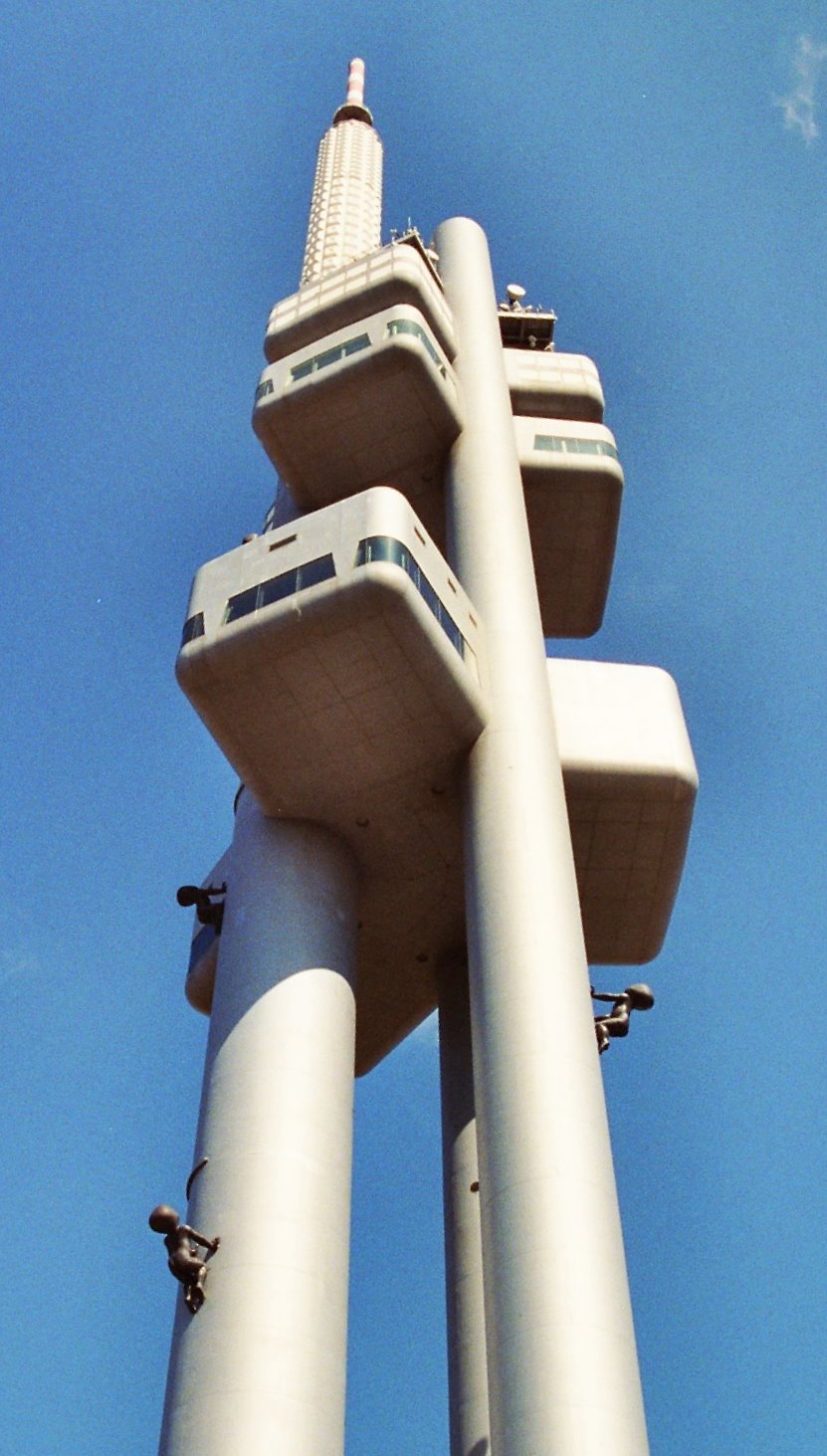
The height question is particularly significant in Brno. The city's planning authority has approved buildings of up to 100 metres in parts of Trnitá — notably around the Zvonařka bus station area — while maintaining much lower limits in the blocks immediately adjacent to the historic fabric. This creates a planned skyline step-down from the regeneration zone to the preserved street pattern of the nineteenth-century city.
Infrastructure and transport integration
One area where Brno's regeneration planning has been more explicit than many comparable European cities is transport infrastructure. The Brno Metropolitan Transport Plan, developed in coordination with the South Moravian Region, specifies tram line extensions into Trnitá and the future station area as a precondition for the higher-density development parcels becoming available for construction. The principle — sometimes called transit-led development — requires that public transport capacity be confirmed before residential density above a defined threshold can be approved.
According to figures published by the City of Brno, approximately 4,200 new residential units were completed in the city between 2021 and 2025. Of these, around 1,100 were located within the defined transformation zones adjacent to the railway corridor.
Comparison with other Czech cities
Ostrava provides an instructive parallel. The city's former steelworks area in Vítkovice — a roughly 250-hectare brownfield — has been converted in phases since 2010, with the dominant use shifting from light industrial to cultural, conference, and residential. The Dolní oblast Vítkovice cultural complex, now a national technical monument and event venue, anchors the regeneration. Residential construction has followed more slowly, constrained by soil contamination remediation costs and the city's overall population trajectory, which differs from Brno's steadier growth.
Prague's regeneration zones — Holešovice, Smíchov South, and the Rohan Island area — share the brownfield-to-mixed-use pattern but operate under significantly higher land values and more intense development pressure. The planning tensions in Prague, where developer yields depend on achieving higher floor-area ratios than public planning guidance targets, are less acute in Brno, where land prices have historically allowed for more measured densities.